The partnership
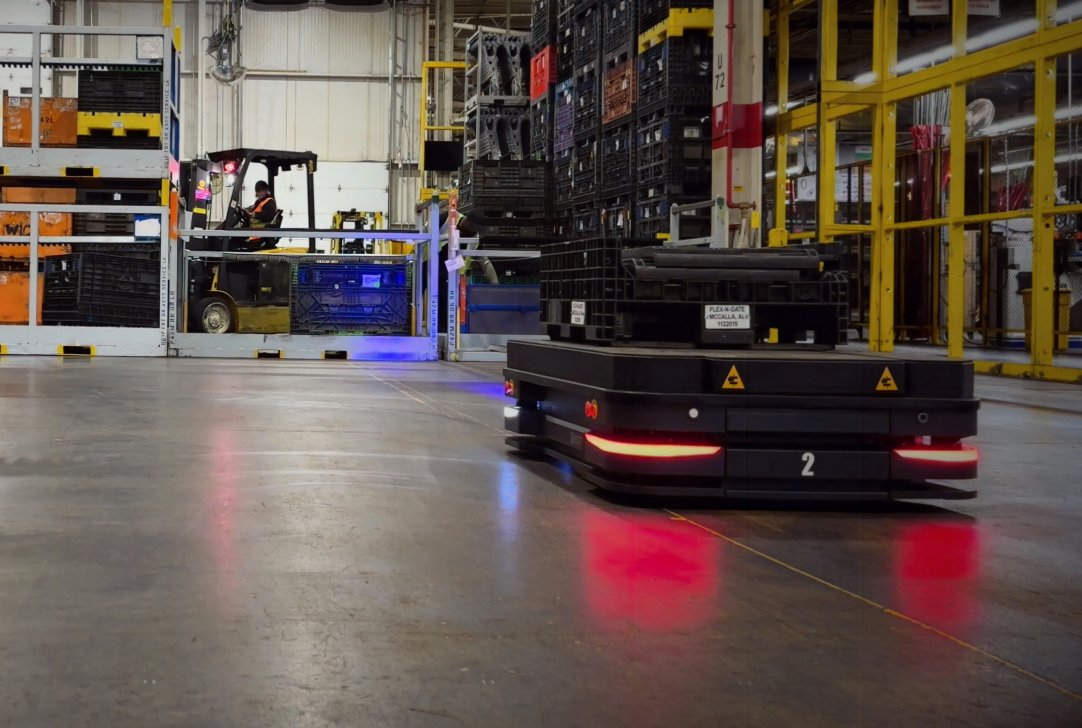
Milvus Robotics builds autonomous mobile robots (AMRs) for factory environments. Their robots move materials, deliver parts to assembly lines, and handle logistics across production floors for companies like Nissan and General Electric.
As Milvus grew, they brought us on as a long-term software partner. Over the years, we have worked across several areas of their business, from fleet operations tooling to internal systems and their public-facing web presence.
What we built
Job dispatcher. A background service that runs continuously as part of Milvus' fleet operations platform, scanning for incoming jobs and matching them to the right robots in real time. It has to run without memory leaks and with zero tolerance for error, because a stalled dispatch on an active production line costs the factory money by the minute. The dispatcher has processed millions of jobs across factories on multiple continents.
Support portal. A dedicated platform for Milvus' field operations team. It covers warehouse and spare part management, maintenance planning, and SLA tracking, giving the team the tools to keep robots running in the field.
SAML integration. As Milvus scaled their internal teams and tooling, we helped them transition their in-house applications to SAML-based authentication.
Career page and website migration. We built their career page and helped migrate their company website from WordPress to Statamic.
How it went
This is a partnership that has grown with Milvus over the years. Milvus is trusted by some of the largest manufacturers in the world, and we are proud to have contributed to their journey.
Learn more about Milvus Robotics at milvusrobotics.com.